

Last updated October 17, 2026
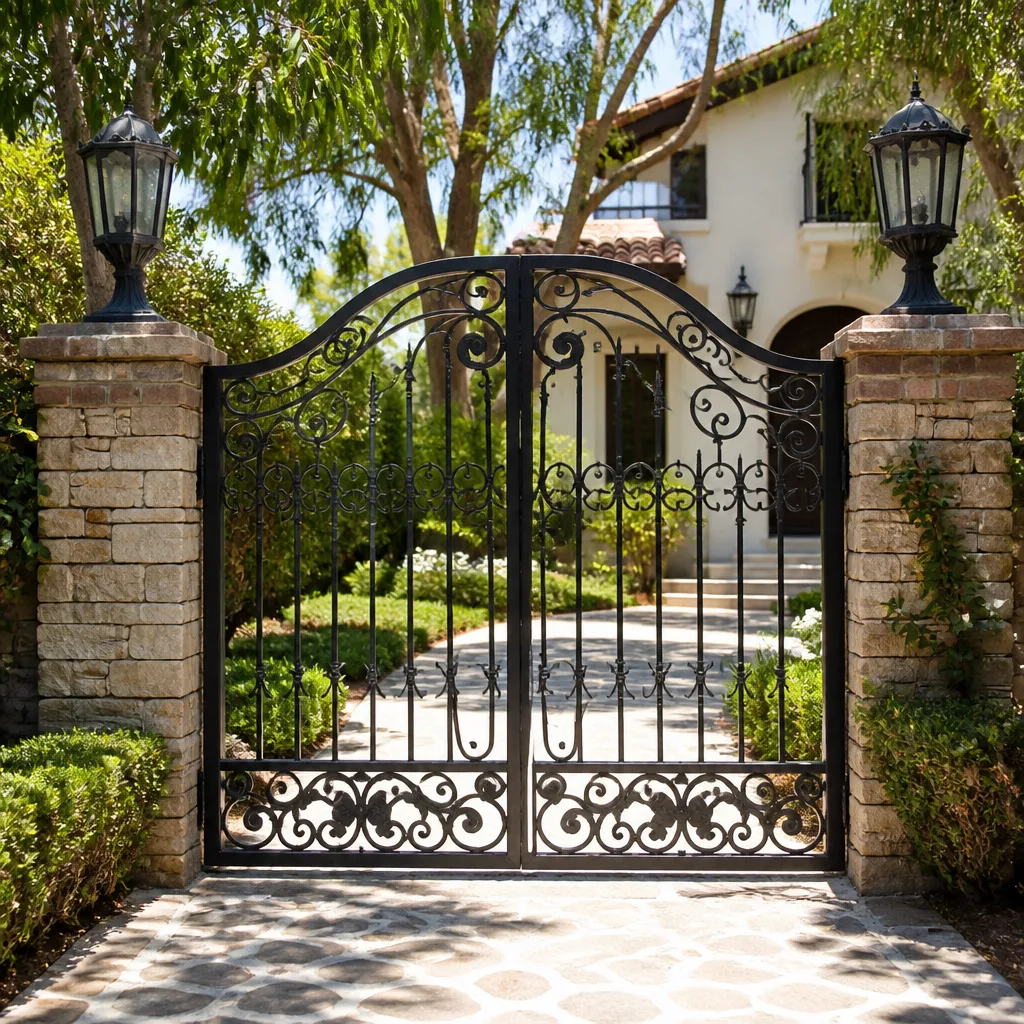 Wrought iron
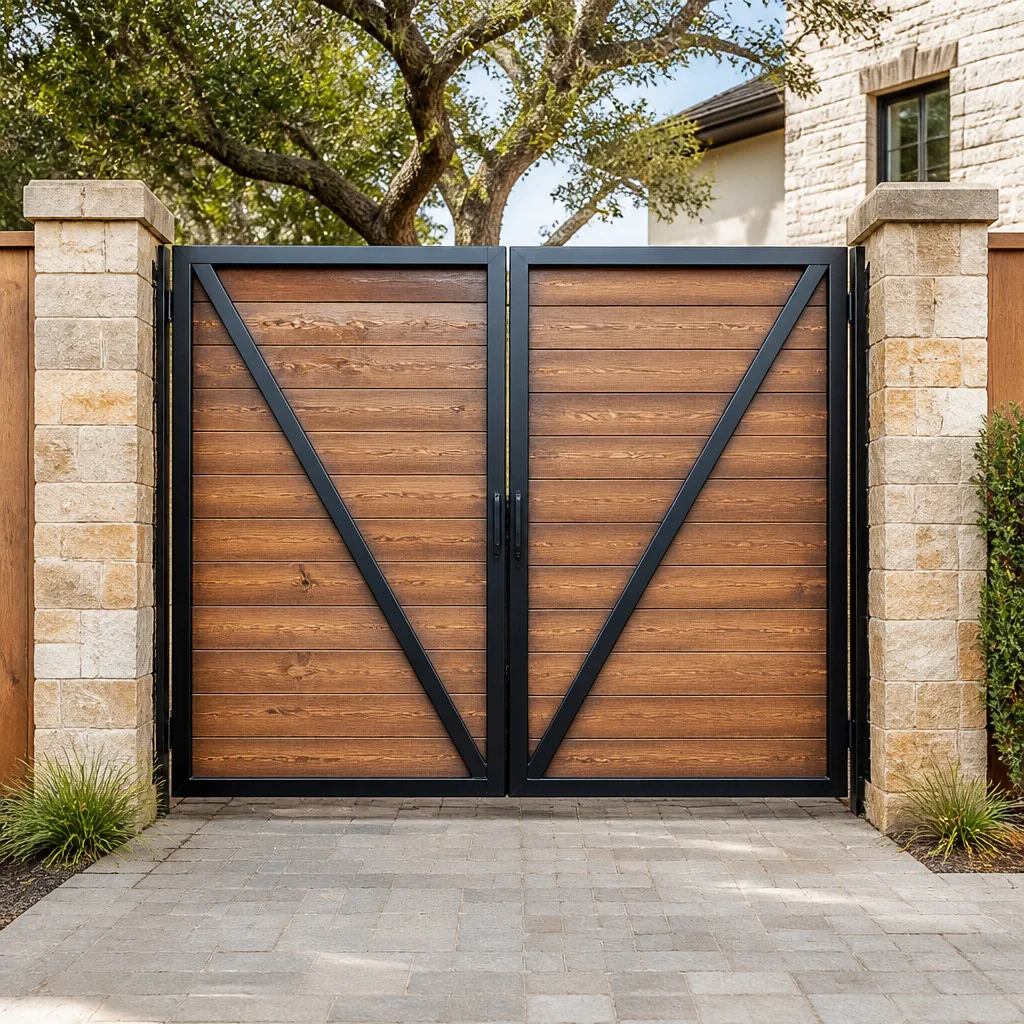 Wood & steel frame
 Farm & ranch
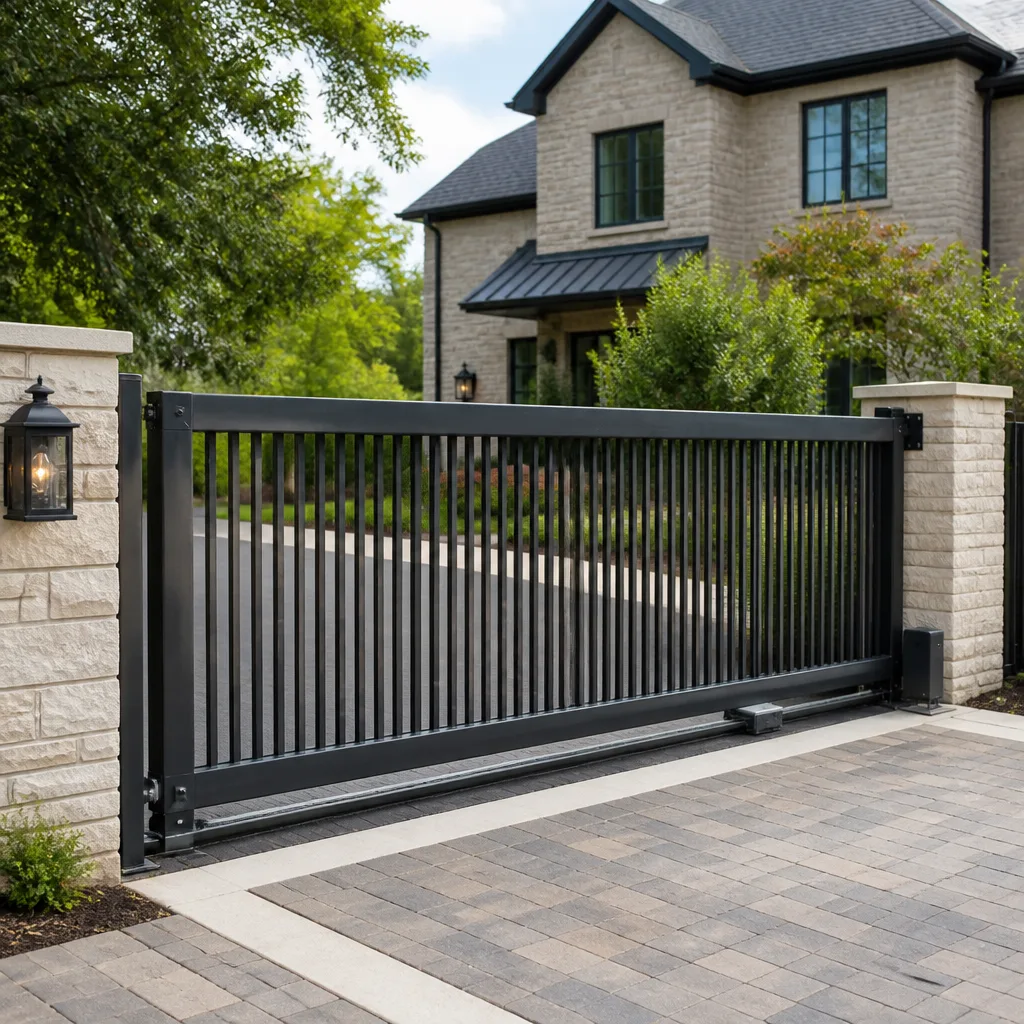 Sliding driveway gates
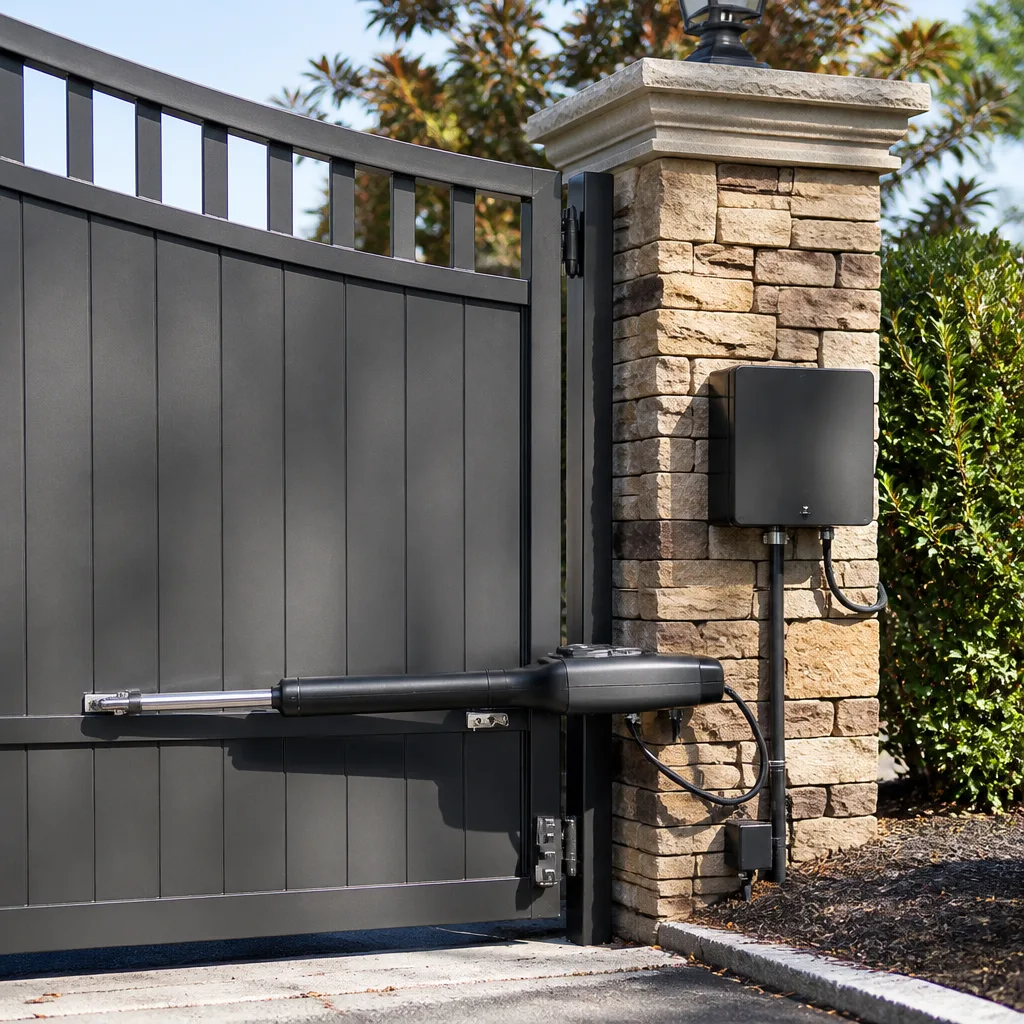 LiftMaster operators
Free on-site gate assessment - hinges, posts, and your LiftMaster or Nice gate operator checked before anything is quoted
The assessment is free and the quote is the invoice.
Get your free estimateSeasonal Gate Repair Care for Henderson: Year-Round Homeowner’s Guide
Henderson doesn’t have four equal seasons, and your gate knows it. We have roughly three months of punishing UV that bakes powder coating until it chalks, a six-week monsoon window that turns caliche soil into shifting soup, a mild winter that still manages a handful of hard-freeze nights, and a spring dust cycle that packs fine gypsum powder into every limit switch and photo-eye on your operator. Homeowners who service their gate on a generic “spring and fall” schedule are always about four months late. This guide walks through the actual Henderson calendar, season by season, so you know exactly what to check, when to check it, and what a $40 preventive step saves you versus a $600 emergency repair. We’ve structured it around the failure patterns we see most often at Latch and Post Gate Repair Henderson home, where the single highest-risk moment for a Henderson gate is the first monsoon rain after a dry summer.
Styles & brands we work with
Quick Answer
The right time to service a gate in Henderson is before each of the four actual seasons begins: late May (pre-monsoon footing and seal inspection), late August (post-monsoon alignment and heave check), mid-November (weld and drain inspection before hard freezes), and late February (dust-season limit switch and photo-eye cleaning). Most standard seasonal service visits for lubrication, sensor cleaning, and alignment correction run between $95 and $185 in Henderson, and a written price should always be agreed before any work starts. If a gate won’t latch after the first big rain, treat it as a footing or post-plumb problem first, not a latch problem.
Table of Contents
- Henderson’s Four Real Seasons: Why Generic Gate Advice Fails Here
- Pre-Monsoon Prep (Late May – June): Footings, Drains, and Seals
- Monsoon Recovery (August – September): Caliche Heave and Re-Squaring
- Winter Prep (November – December): Welds, Water, and the Freeze Cycle
- Spring Dust-Storm Season (March – May): Limit Switches and Photo-Eyes
- The One-Page Henderson Seasonal Gate Calendar
- Common Mistakes to Avoid
- When to Call a Professional
- Frequently Asked Questions
- The Bottom Line
Henderson’s Four Real Seasons: Why Generic Gate Advice Fails Here
Most gate maintenance articles are written for a climate with four equal seasons and consistent rain. That advice does not hold up in Henderson, where the soil chemistry and UV exposure do things to gate hardware that a Minnesota or Ohio guide never accounts for. Henderson sits on caliche, a calcium-carbonate hardpan that expands and contracts dramatically with moisture. After months of bone-dry conditions, the soil shrinks and pulls away from post footings. When the monsoon arrives, the same soil saturates rapidly and swells, often pushing posts out of plumb within 48 hours. A gate that latched perfectly on June 1 can be a quarter inch out of alignment by August 15 without anyone touching it. That’s not a hardware failure. It’s a soil failure.
The second Henderson-specific factor is gypsum dust. The dry lakebeds east of town and the broad construction zones across the valley put a fine, alkaline powder into the air during wind events from March through May. That powder clings to greased tracks, works its way into limit switch housings, and coats the lenses on photo-eye sensors with a film that scatters the infrared beam. Operators from Ghost Controls, DoorKing, and Elite are all built with sealed control boards, but no sealed board can compensate for a photo-eye that has effectively gone blind. The result is a gate that refuses to close, reverses mid-travel, or throws a fault code that makes no sense until you wipe the lens and everything works again.
Third is UV. Henderson gets more than 290 sunny days a year. Powder-coated steel and aluminum both degrade under sustained UV, but the faster failure point is anything plastic: operator covers, warning placards, wire grommets, and the nylon rollers on sliding gates. Plastic that was flexible at installation is brittle after four summers. When a Henderson homeowner tells us a gate “suddenly” feels hard to push, the usual cause is a UV-brittle roller that finally cracked, not a failing motor.
So the seasonal care plan that works in Henderson is built around these four cycles: pre-monsoon inspection, post-monsoon recovery, pre-freeze weld and drain checks, and post-dust-season sensor cleaning. Each one catches a predictable failure mode before it becomes an emergency call.
Pre-Monsoon Prep (Late May – June): Footings, Drains, and Seals
The first monsoon rain after a long dry stretch is the highest-risk single event for any Henderson gate. Soil that has contracted away from post footings for months suddenly gets saturated and expands, and the hydraulic pressure can push a post a half inch out of plumb overnight. If the gate was marginally aligned to begin with, that half inch is the difference between latching and not latching. The June inspection is about catching marginal conditions before the rain exposes them.
Here is the inspection we perform on our own Henderson service calls during late May and early June. Homeowners can do the first four steps themselves in about 20 minutes.
- Check post plumb with a 24-inch level. Place the level vertically on the face and the side of each gate post. Any gap between the level and the post bigger than 1/8 inch means the post has already moved. Mark the post with a pencil line at the soil so you can tell later whether additional movement happened during monsoon.
- Clear drainage paths around the footing. The most common problem we see in Henderson neighborhoods is landscaping that slopes toward the gate post. Gravel, decorative rock, and planter soil piled against the post base traps water exactly where it causes the most heave. Pull back any material within 6 inches of the post and confirm that water has a downhill path away from the footing.
- Inspect the operator housing seal. Open the operator cover on brands like DoorKing and Elite and look at the gasket around the edge. Henderson’s dry heat cracks rubber gaskets faster than most manufacturers expect. A cracked gasket means monsoon humidity and wind-driven rain can reach the control board. If the gasket is stiff or shows surface cracks, replace it before the first storm. The gasket itself is usually a $15 part.
- Lubricate hinges and rollers with a dry-film lubricant rather than a wet grease. Wet grease attracts dust and turns into grinding paste within weeks in Henderson. A dry PTFE or silicone-based lubricant sheds dust and lasts longer through the windy season.
- Test the manual release. Every electric gate operator has a manual release mechanism, usually a pull handle or keyed release near the operator arm. Test it before monsoon, because if the power goes out during a storm and the release has seized from disuse, you’ll have a gate you can’t open by hand when you need to leave.
- Photograph the gate alignment. Take a photo of the gate closed, showing the gap at the top and bottom of the latch post. This gives you a baseline to compare against after the first big saturation event. If the gate shifts, you’ll have dated proof of how much and when.
Pre-monsoon prep is mostly inspection and minor correction. The value in it is not the work itself. The value is that you catch a slow post drift in June, when a $140 adjustment fixes it, instead of in August, when the post has moved far enough that the footing needs excavation and re-set at $600 or more.
If you want this done by a team that treats the gate area like it’s part of your home, we cover the full monsoon-readiness list as part of a Gate Repair seasonal service visit. Written price before we start, always. And we’ll walk you through what we found, photo included.
Monsoon Recovery (August – September): Caliche Heave and Re-Squaring
By mid-August, Henderson’s monsoon window has usually delivered two or three saturation events. The soil has done what caliche soil does when it gets sudden, heavy moisture: it has swollen, shifted, and then begun to dry and contract again. That cycle leaves footings in a slightly different position than where they started, even though the soil looks dry on the surface. The gate that latched in June may not latch now. Or the gate latches but the operator struggles, tripping its force sensor because the track alignment changed by a fraction of an inch.
The first step in monsoon recovery is to determine what moved. Here’s how we diagnose it on Henderson service calls.
- Compare the gate to your June baseline photo. If the gap at the top of the latch post changed but the bottom gap stayed the same, the post has tilted. That points to soil movement at the footing, not a failed hinge.
- Check for caliche heave. Look at the concrete collar around each gate post for cracks, lifting, or a visible gap between the concrete and the surrounding soil. If the concrete has risen on one side, the caliche below has swelled and pushed the footing upward. This is a slow-motion event that often continues for two to three weeks after the rain stops, as the subsoil dries unevenly.
- Test the gate’s square. Measure the diagonal distance from the top hinge corner to the bottom latch corner, then the opposite diagonal, on a swing gate. A difference of more than 1/4 inch means the frame has racked. On a sliding gate, push the gate by hand through its full travel and listen for rubbing or resistance at any point. A gate that slides hard in one section and easy in another has a track alignment problem.
- Re-seal the footing collar. Once you have confirmed the post is stable and any re-alignment is done, fill the gap between concrete and soil with a flexible, paintable caulk rated for exterior concrete. This keeps future water from channeling down the side of the footing during the next rain, which is one of the main drivers of post heave in Henderson’s clay-heavy pockets east of Boulder Highway.
Re-squaring a gate that has only drifted slightly is a careful process of adjusting hinge shims and latch-strike position, and it’s the kind of work where a small error compounds. If the gate has moved more than 1/4 inch out of plumb, or if the concrete around the footing is lifting visibly, that’s a footing re-set, not a hinge adjustment. In our experience servicing Gate Repair in Henderson through many monsoon seasons, the homeowners who call in late August with a gate that won’t close usually have one of two situations: a $120 latch adjustment, or a footing that needs to be excavated and re-poured. The inspection tells you which one you have. The written quote tells you exactly what it costs before any work begins.
Winter Prep (November – December): Welds, Water, and the Freeze Cycle
Henderson winters are mild by any national standard, but the freeze-thaw cycle still does specific damage to gates because of how water collects and expands. The nightly low drops below freezing often enough in December and January that any trapped water inside a hollow steel tube becomes a small hydraulic jack. Water expands by about 9% when it freezes, and in a confined space, that expansion doesn’t need to happen many times before it splits a weld or bulges a tube.
The November inspection is about finding the places water can sit before the freeze nights arrive. What to look for:
- Hollow tube sections without drain holes. Many gate frames are built from square steel tube. If the manufacturer didn’t drill weep holes at the low points, rainwater and irrigation overspray collect inside and sit there. Hold a flashlight against the tube and look for diagonal hairline cracks radiating from the corners of welds, or for rust-stained water weeping from the tube itself. Rust-colored moisture is water that’s been sitting inside long enough to begin corroding the tube from the inside out.
- Weld porosity and pinholes. Run the flashlight along every weld seam, especially the bottom corners of the gate frame and the hinge brackets. A pinhole in a weld allows water to enter the tube during rain, then freeze in place. The first visible sign on a powder-coated gate is often a small rust bloom under the paint at the weld. If you see that bloom before the paint cracks, a weld repair can be done without repainting the whole gate. If the paint has already cracked off, the metal underneath has been oxidizing for at least one season.
- Hinge sag and pin wear. Cold doesn’t damage hinges directly, but a hinge that’s slightly loose in November will be carrying more load in January, because the gate’s steel has contracted slightly and the clearances have tightened. A hinge pin that moved freely in October can bind when the temperature drops 30 degrees. Check each hinge pin for vertical play by lifting the gate gently with a pry bar. Movement at the hinge translates into misalignment at the latch post, and by mid-winter that misalignment can be enough to prevent the gate from closing fully.
- Operator arm attachment points. Electric gate operators from Mighty Mule, Ghost Controls, and Elite attach to the gate through a bracket that experiences high stress every cycle. Freeze-thaw cycles don’t damage this bracket directly, but the bracket is often the first place a hairline crack appears on a gate that has been in service for eight or ten years. Henderson’s UV has made the finish brittle, and the temperature swings do the rest. Inspect the bracket welds and the bolts with a flashlight. A cracked bracket is a $45 part before it fails and a $300 repair after it breaks away under load.
If you find drain holes that are clogged with dust and debris (which happens on most Henderson gates after a windy spring and a dry summer), clear them with a stiff wire and confirm water actually drains out. A drain hole that is blocked may as well not exist. The November check takes 15 minutes and a flashlight, and it catches most freeze-related failures before they happen. If you find cracks in welds or tube seams, don’t ignore them and hope for a warm winter. Henderson will get its freezing nights regardless, and every one of them works the crack wider. For homeowners who don’t want to do the flashlight inspection themselves, Gate Installation in Henderson work always includes a structural review of existing gates when we’re on site for a new install, because a new gate hung on a compromised post is a warranty claim waiting to happen.
Spring Dust-Storm Season (March – May): Limit Switches and Photo-Eyes
March through May is Henderson’s wind season, and the gypsum-rich dust that blows across the valley is the single biggest cause of false fault codes and intermittent gate failures on electric operators. The dust doesn’t usually damage mechanical parts. What it does is interfere with the two sensor systems that tell the operator where the gate is and whether the path is clear: the limit switches that set the fully-open and fully-closed positions, and the photo-eye sensors that detect obstructions.
Here’s what happens in detail. Limit switches on swing and slide operators are manufactured with small, movable contact points that determine when the motor stops. When fine dust coats those contacts or the cams that actuate them, the switch can read the gate position incorrectly. The gate opens too far and crunches against the mechanical stop. Or it stops two inches short of closed, leaving a gap that a pet can slip through. Or it reverses direction mid-travel because the operator’s control board thinks it hit a limit. None of these failures is a motor problem. Most are a dust problem.
Photo-eyes work by sending an invisible infrared beam from an emitter to a receiver across the gate opening. In Henderson’s dust season, a film of fine powder on the receiver lens weakens the beam enough that the receiver reads it as obstructed. The gate refuses to close, or starts closing and reverses. This is the most common spring service call we get, and in about seven out of ten cases, the fix is a lens cleaning, not a component replacement.
The important warranty note: before you open the operator cover or take a screwdriver to anything on the unit, check your operator’s manual. Some manufacturers, including DoorKing and Elite, specify that internal adjustments must be performed by a qualified technician to keep the warranty valid. Cleaning the external photo-eye lenses and checking for visible dust accumulation around the operator housing is safe for any homeowner. Opening the control box and blowing out the board with compressed air is not the same thing, and we’ve seen warranty claims denied because an owner used the wrong method and damaged a connector. Here’s the safe homeowner sequence:
- Wipe the photo-eye lenses with a soft, dry microfiber cloth. Do not use water, glass cleaner, or paper towels. Water streaks create a new obstruction. Paper towels leave lint that causes the same problem you’re trying to fix.
- Check the lens alignment. Most photo-eyes have a small indicator LED that lights when the beam is aligned. If the LED is off or blinking, the emitter and receiver are no longer pointing at each other. Wind can slowly rotate a poorly tightened mounting bracket until the beam misses. Gently re-aim the sensor until the LED turns solid, then tighten the bracket screws.
- Clear the operator housing vents with a soft brush, not compressed air. Compressed air can drive dust deeper into the unit, past seals that were never designed for that pressure. A dry paintbrush or a vacuum with a brush attachment on the exterior vents removes the buildup without pushing it inside.
- Wipe down the gate track on sliding gates with a dry cloth. If there’s a greasy buildup mixed with dust, switch to a wet rag with mild soap, dry the track thoroughly, then re-lubricate with a dry-film spray. Grease and Henderson dust make a grinding paste that wears rollers and adds load to the motor.
- Run a full open-and-close cycle while the gate is empty of kids and pets. Listen for any change in the motor’s sound from your baseline. A motor that sounds strained has a mechanical alignment issue that needs a technician’s attention, not more lubrication.
For homeowners with operators from Ghost Controls or Mighty Mule where the manual explicitly permits owner access to the limit settings, the cleaning process is the same but the internal check is simpler: inspect the limit cams for dust accumulation before making any adjustment, and if you see dust on the contacts, have a professional do the maintenance. The goal of a seasonal cleaning is not to adjust the operator. The goal is to remove the dust that is making the operator behave like it needs adjusting.
The One-Page Henderson Seasonal Gate Calendar
Print this and tape it inside the gate motor housing or anywhere you keep household maintenance reminders. Each entry is a 15 to 30 minute task, and every one of them prevents a more expensive repair later.
- Late May (pre-monsoon): Check post plumb with a level. Clear drainage paths around footings. Inspect operator gasket for cracks. Lubricate hinges and rollers with dry-film spray. Test manual release. Photograph gate alignment.
- June – July (first monsoon watch): After the first heavy saturation rain, compare the gate to the May photo. If the gate won’t latch, check post plumb before touching the latch. Do not adjust the latch until the soil has stabilized, or you’ll be adjusting it again in two weeks.
- Late August (post-monsoon): Check for concrete heave and footing movement. Measure the gate diagonals for racking. Re-seal the footing collar if gaps opened. Test the gate through its full range of motion by hand.
- Mid-November (pre-freeze): Flashlight inspection of all welds and tube seams. Clear drain holes. Check hinge pins for play. Inspect operator arm attachment bracket. Lubricate again with dry-film spray.
- December – February (winter watch): After any night below 28 degrees, check whether the gate still latches cleanly. Frost heave in Henderson is rare but real, especially along the newer development zones on the south side of the city where fill soil hasn’t fully compacted.
- Late February (pre-dust-season): Wipe photo-eye lenses with microfiber. Vacuum operator housing vents with a brush attachment. Clear any debris from the track. Run a full open-close cycle and listen for changes.
- March – May (dust watch): After any haboob or major wind event, re-wipe the photo-eye lenses. If the gate starts reversing or failing to close, clean the lenses before calling for service. Seven times out of ten, that’s the fix.
This calendar is designed around the actual weather events that move Henderson gates, not the four seasons on a national home-improvement website, and complements our Complete Guide to Gate Repair in Henderson. If you follow it, most years your gate won’t need a single emergency repair. It will need the same things every Henderson gate eventually needs: a hinge replacement, a new photo-eye, a fresh operator battery. Those are normal wear. What the calendar prevents is the cascade failures that start with a monsoon-shifted footing or a dust-blinded sensor and end with a damaged operator and a gate that won’t close.
Of course, if the calendar finds something you don’t want to tackle yourself, we’re here. The full season-by-season inspection is something we do as a standing service for Henderson homeowners who prefer to hand the checklist to someone who’s done it a few hundred times. Every visit includes a written price before any work starts and a cleanup photo before we leave, because that’s how the Cedarwell Care Promise works.
Common Mistakes to Avoid
- Adjusting the latch after the first monsoon rain without checking the post. When a Henderson gate won’t latch in August, the post has usually moved, not the latch. Moving the latch to match a shifted post means you’re now compensating for a footing problem. The gate will drift further, and the next adjustment will be harder. Diagnose the post first, every time.
- Greasing the hinges in October and calling it winter prep. Wet grease in Henderson’s dust means a grinding paste by March. Use a dry-film lubricant year-round, and if you already have grease buildup, clean it off before applying anything new. The right lubricant repels dust; the wrong one advertises for it.
- Blowing out the operator housing with compressed air. It feels like the obvious way to remove dust, but it drives fine particles past seals and into the control board area. Compressed air on an operator housing is how a $15 cleaning becomes a $300 board replacement. Brush attachments and soft cloths, always.
- Ignoring a small crack in a weld because the gate still works. A hairline crack in December is a structural failure by April. The freeze-thaw cycle in Henderson works cracks wider even when the daytime temperature is mild. Weld repair on a small crack is a fraction of the cost of replacing a gate that has broken at the hinge post.
- Piling decorative rock or soil against the gate post base. It looks tidy, but it traps irrigation water and monsoon rain exactly where the footing is vulnerable to heave. Keep at least six inches of clearance around every gate post. Your gate will thank you, and so will the next owner.
- Waiting until the gate fails to learn where the manual release is. If the power goes out during a monsoon or a wind event and you’ve never operated the manual release, you’re learning it in the dark, in the wind, with the gate stuck. Test the release every June. It takes 30 seconds.
- Using paper towels on photo-eye lenses. Paper towels leave lint that scatters the infrared beam, so the cleaning itself becomes the obstruction. A clean microfiber cloth or a lens wipe is the right tool.
When to Call a Professional
Some seasonal tasks are right for a homeowner’s weekend list. Others should not be attempted with a level and a can of spray lubricant, as our DIY vs Professional Gate Repair guide explains. Call a professional when the post is visibly out of plumb by more than 1/8 inch in any direction, because re-setting a footing in Henderson’s caliche soil requires knowing how to excavate without destabilizing the surrounding slab. Call when a weld crack is visible at a hinge bracket or the operator arm attachment, because welding on a gate under tension without the right jigging can turn a small crack into a complete failure. Call when the operator throws repeated fault codes after a lens cleaning, since that points to a control board or limit switch problem inside the housing. And call after any monsoon that leaves the gate unable to close, because a gate that won’t secure is a safety issue for kids and pets, not just a convenience problem. Latch and Post Gate Repair Henderson offers free estimates in Henderson, and a written price is always provided before any work begins. Call (775) 210-7739 and a live person answers, day or night.
For electric operators specifically, Electric Gate Repair in Henderson covers everything from sensor failures to full motor replacements, with factory-trained technicians who work on the brands actually installed in Henderson homes: LiftMaster, FAAC, BFT, Linear, Viking, Ghost Controls, DoorKing, Elite, and Mighty Mule.
Frequently Asked Questions
A standard seasonal service visit in Henderson, including lubrication, sensor cleaning, alignment check, and a structural inspection, typically runs between $95 and $185 depending on the gate size and number of operators. The exact price is quoted in writing before any work begins, so the number you agree to is the number you pay. Call (775) 210-7739 for a free estimate on seasonal maintenance.
When a Henderson gate won’t latch after the first saturation rain of monsoon season, the post has usually shifted out of plumb because the soil expanded and moved the footing. Check the post with a level first. If the post has moved, the fix is a re-alignment of the post or the hinge hardware, not a latch adjustment. Adjusting the latch to match a shifted post just delays the problem.
Yes, cleaning the exterior photo-eye lenses with a dry microfiber cloth is a safe homeowner task on every major operator brand, including DoorKing, Elite, Ghost Controls, and Mighty Mule. What voids warranties is opening the operator cover and adjusting internal components when the manual specifies technician-only service. Clean the outside, check the alignment LED, and leave the inside to a pro.
Twice a year, in late May and mid-November, matches Henderson’s weather cycle. Use a dry-film PTFE or silicone lubricant rather than wet grease, which attracts gypsum dust and turns into a grinding paste within weeks. Apply to hinge pins, rollers, and the latch mechanism, then wipe away any excess.
Yes, because Henderson still gets enough freezing nights for trapped water inside hollow gate tubes to expand and split welds. The damage happens during the freeze, and by the time you see a visible crack in the spring, the metal underneath has been oxidizing for months. A 15-minute flashlight inspection in November catches it before the crack spreads.
Wipe the photo-eye lenses with a microfiber cloth, vacuum the operator housing vents with a brush attachment, and run a full open-close cycle to listen for changes. If the gate starts reversing or refusing to close, the lens cleaning is the first thing to try before calling for service. Most post-dust-storm gate failures in Henderson are sensor obstructions, not mechanical breakdowns.
The Bottom Line
Henderson gates fail in predictable ways, on a predictable calendar. The monsoon shifts footings. The freeze splits welds. The dust blinds sensors. And the UV bakes everything plastic until it breaks. The homeowner who works through the four seasonal checklists in this guide will catch most problems at the stage where a $15 gasket or a 30-second lens wipe fixes them. The homeowner who waits for symptoms will meet the failure at the worst possible moment, usually the morning after a storm, with a gate that won’t close and kids asking why the dog can get out. You don’t have to become a gate technician. You just have to know what to look at, when to look at it, and who to call when it’s beyond a weekend’s work. For more guides & resources, visit our blog. That’s what this guide is for, and that’s the service we’ve been providing in Henderson since 2009.
Written by Cody Beckman, Owner at Latch and Post Gate Repair Henderson, serving Henderson since 2009.
See the difference
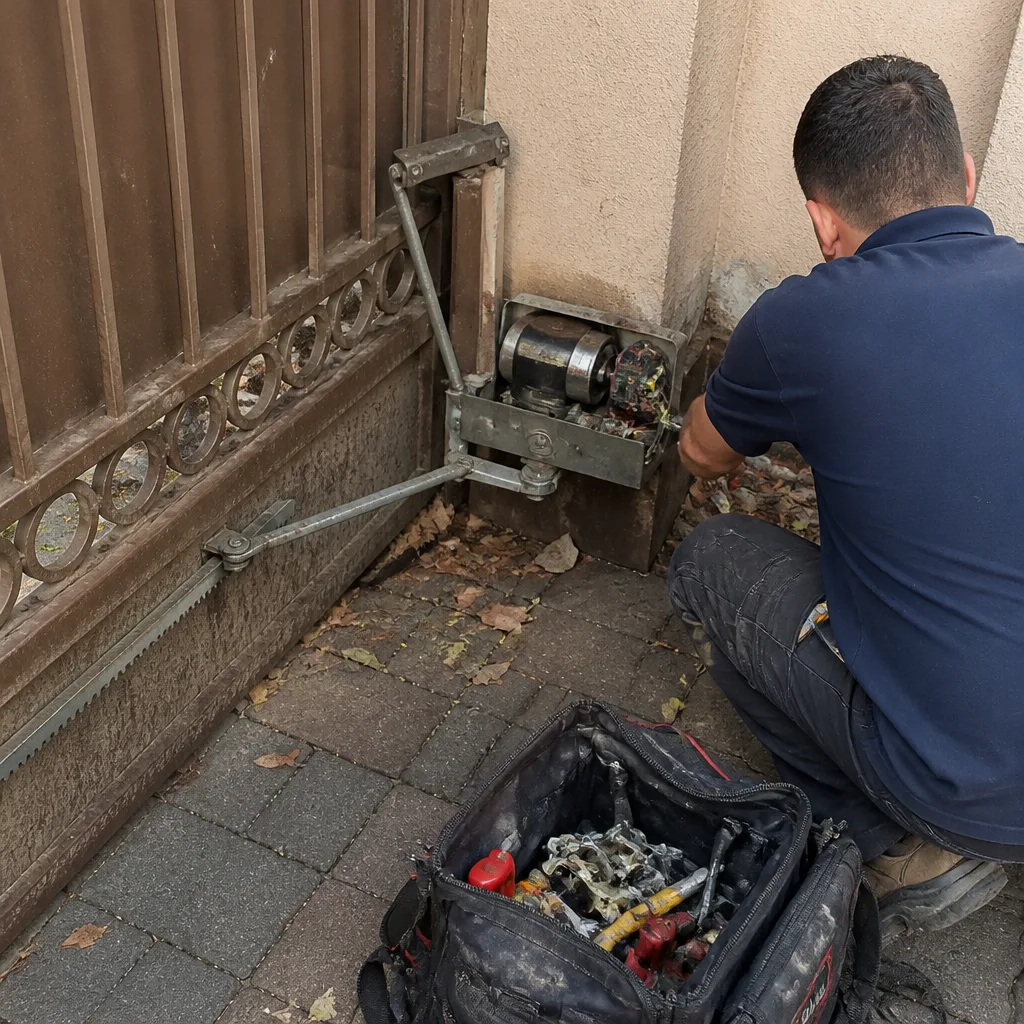 Before
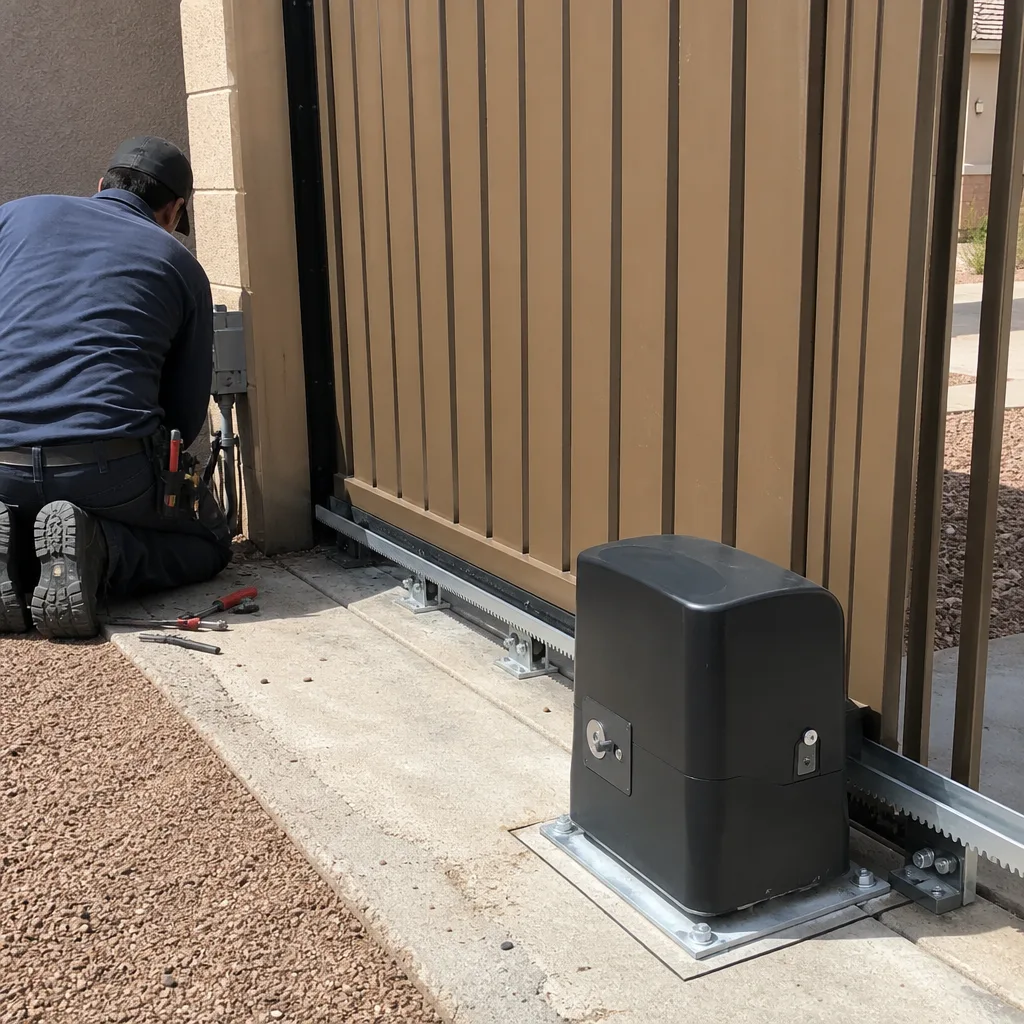 After
After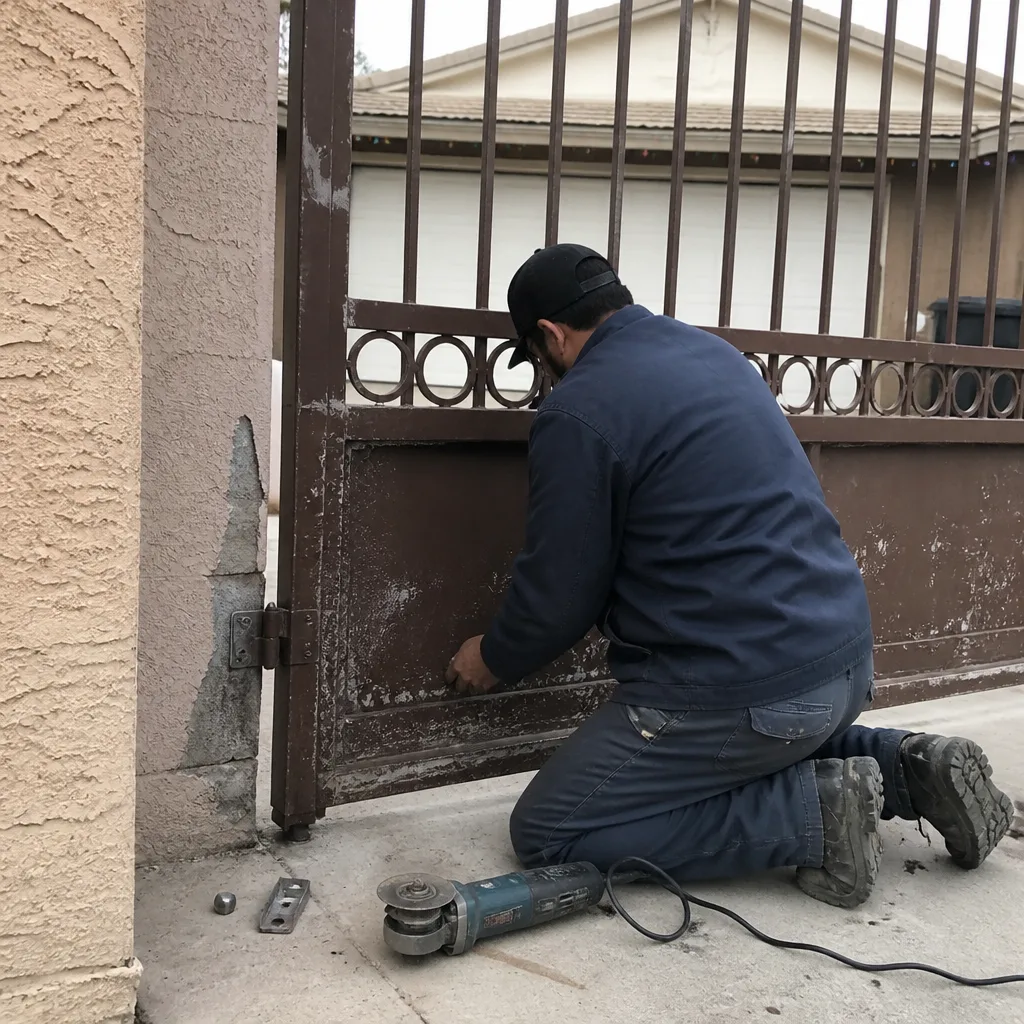 Before
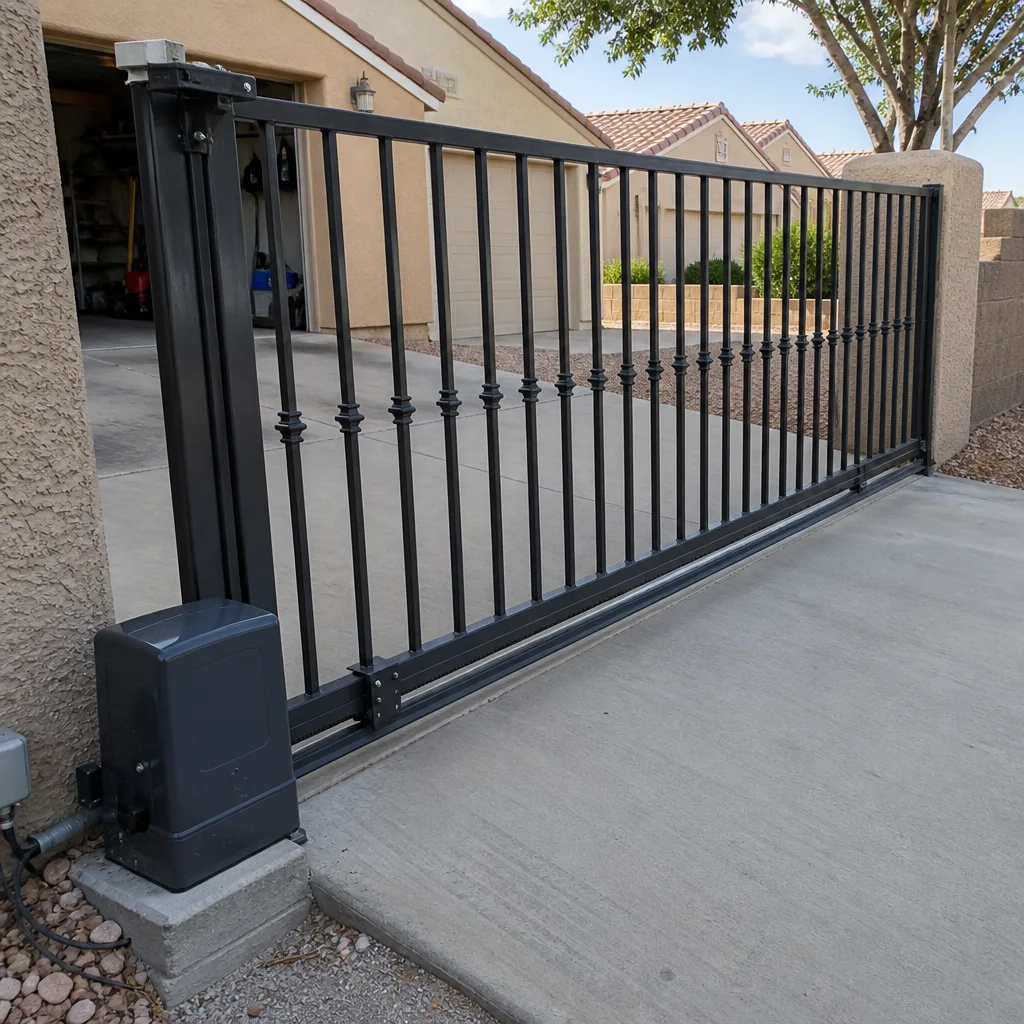 After
After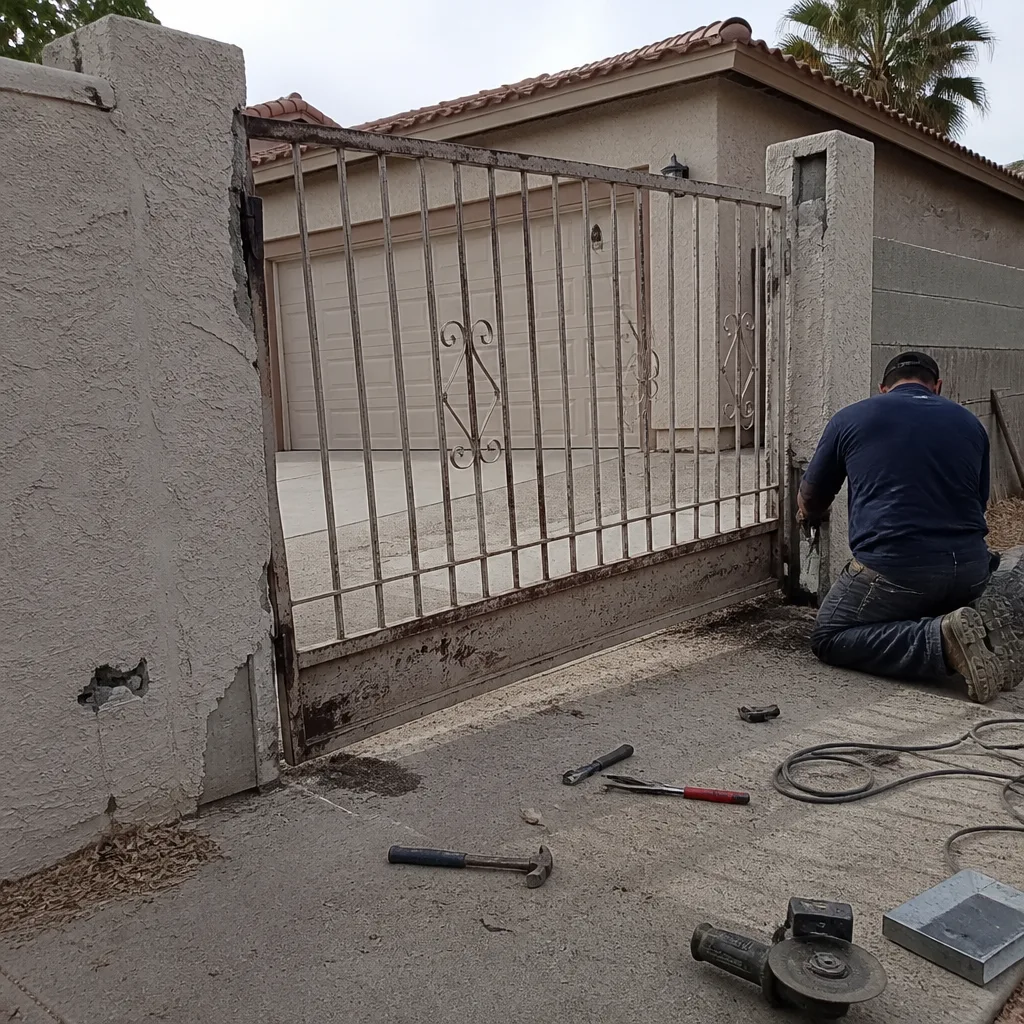 Before
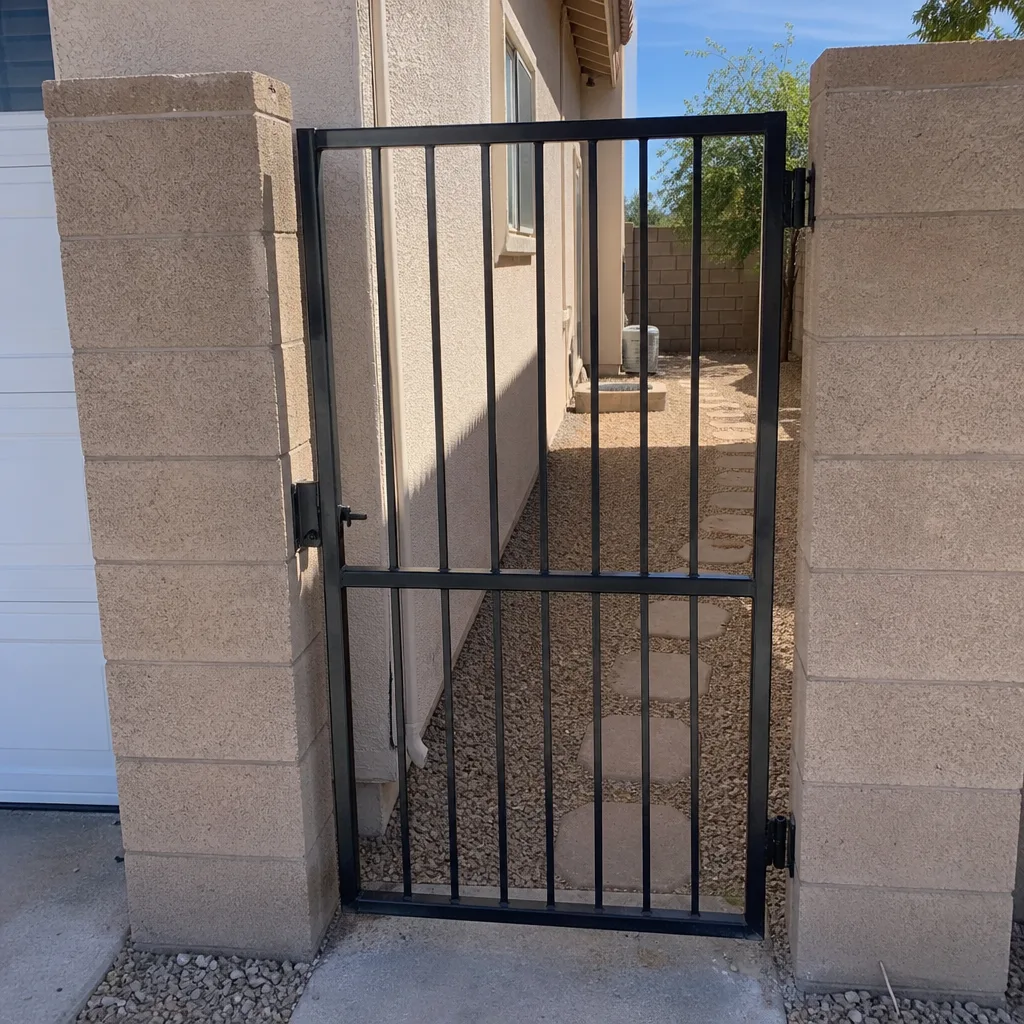 After
After