

Last updated October 17, 2026
 Wrought iron
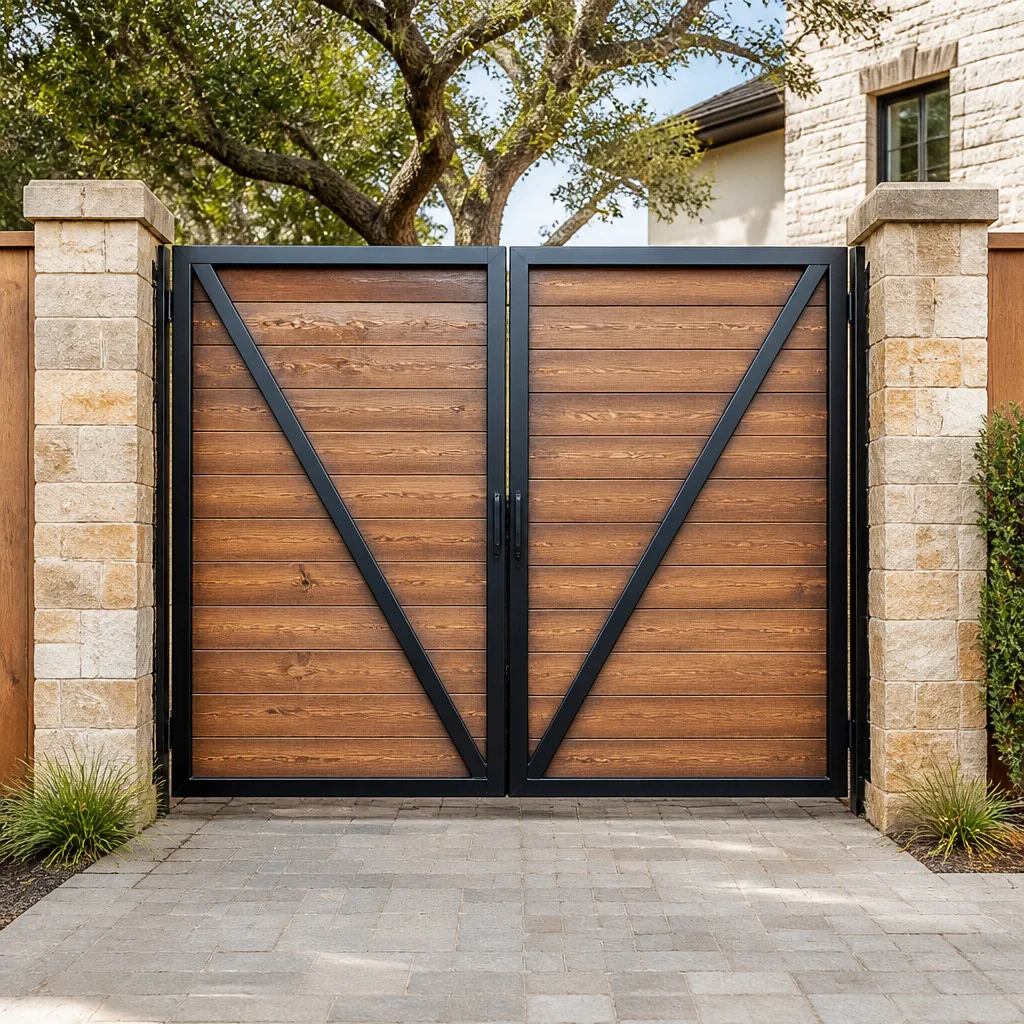 Wood & steel frame
 Farm & ranch
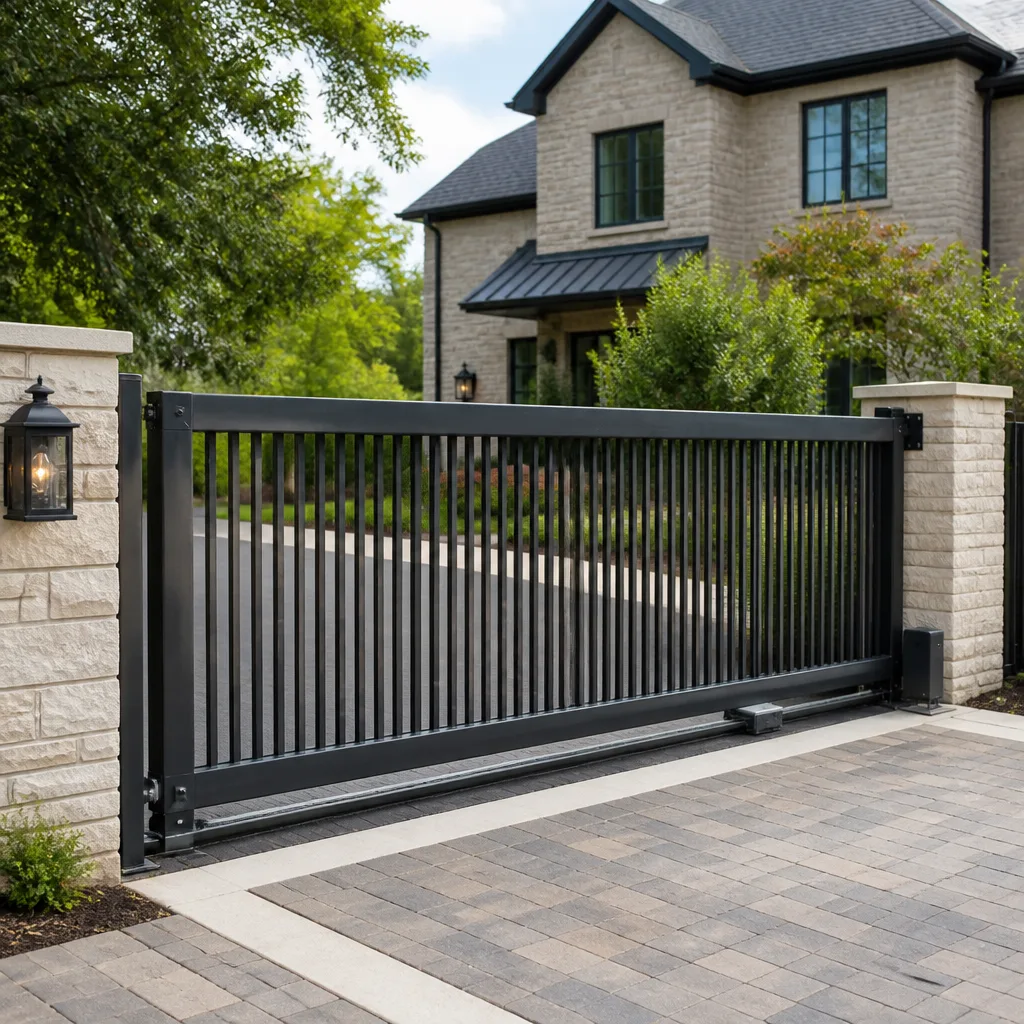 Sliding driveway gates
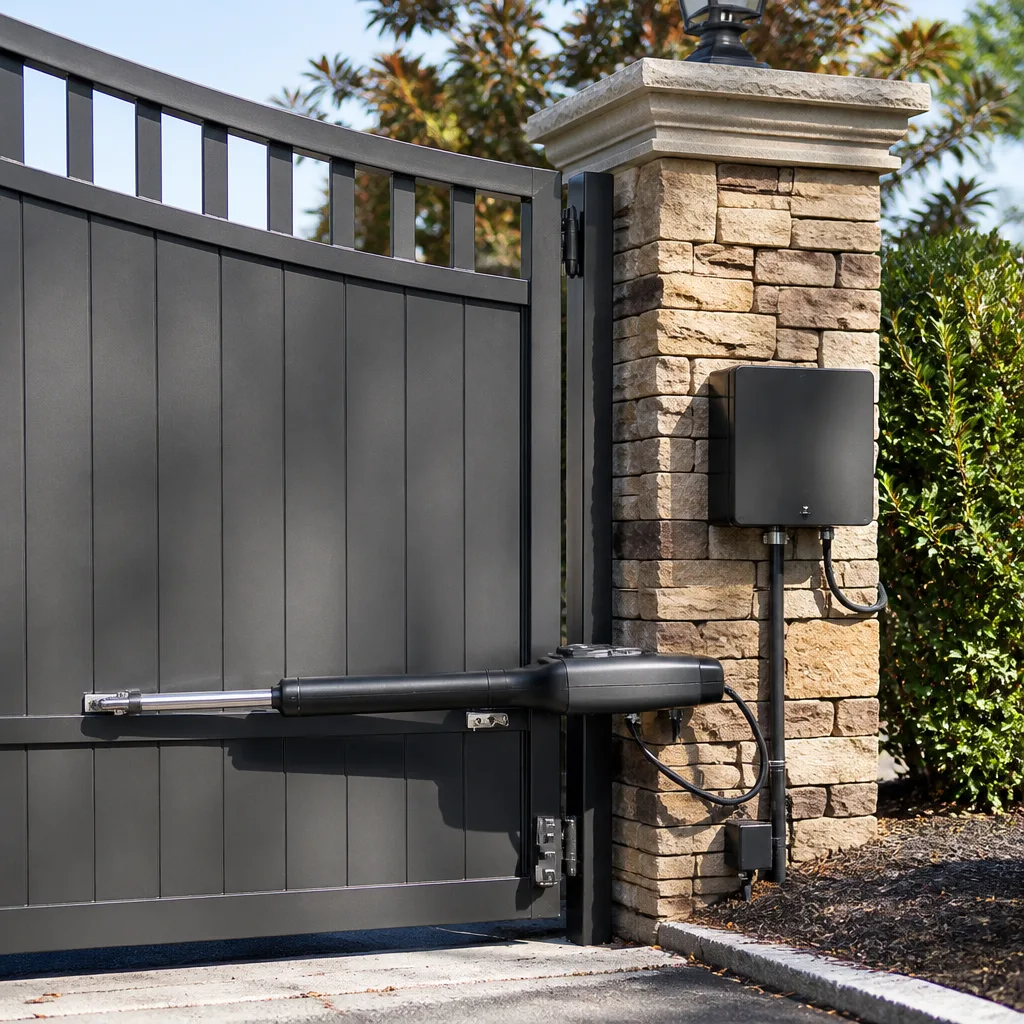 LiftMaster operators
Free on-site gate assessment - hinges, posts, and your LiftMaster or Nice gate operator checked before anything is quoted
The assessment is free and the quote is the invoice.
Get your free estimateGate Repair Warning Signs: A Henderson Homeowner’s Reference Guide
Most Henderson gates don’t fail on a random Tuesday. They fail on the Tuesday after six weeks of a grinding noise you heard but didn’t place, a sag you noticed but wrote off, and a two-second hesitation that felt normal because it happened gradually. This guide is a symptom-by-symptom field manual for what’s happening inside your gate’s hardware, which sounds are harmless, which ones are the mechanical equivalent of a check-engine light, and how Henderson’s specific heat and soil make certain failures more common here than they’d be in Summerlin or Anthem. For related reading, see our guide on Seasonal Gate Repair Care for Henderson: Year-Round Homeowner’s Guide. We’ll show you what to photograph, what to measure, and what to say when you call a technician so the first visit is the only visit.
Quick Answer
Gate failure in Henderson almost always announces itself through observable symptoms: grinding, hesitation, sagging, a latch that spins, or an error code that blinks on the control board. Some of those symptoms are safe to document and monitor for a week or two, but a gate that starts and stops erratically, a drop-rod that no longer seats, or a top hinge pulling off the post needs attention within days because each one signals a mechanism that’s about to stop carrying its load or stop holding the gate closed.
Styles & brands we work with
Table of Contents
- The 12 Warning Signs: A Symptom-to-Cause Reference Table
- Which Symptoms Are Safe to Monitor (and Which Aren’t)
- How Henderson’s Heat Accelerates Gate Failures
- What to Photograph and Measure Before Calling a Technician
- How the 365-Day Done Right Promise Applies to Warning Signs
- Common Mistakes to Avoid
- When to Call a Professional
- Frequently Asked Questions
The 12 Warning Signs: A Symptom-to-Cause Reference Table
A gate that pauses for two seconds before opening is not “just getting old.” It’s a precise symptom of a voltage drop across a corroded limit-switch wire. If left alone, it will strand a car in the driveway within 60 days. The same specificity applies to the other warning signs below. Each symptom in this table maps to a mechanical cause, and each cause maps to a timeline you can plan around.
| Symptom You Notice | Mechanical Cause | Likely Timeline to Failure |
|---|---|---|
| Grinding noise during opening | Worn steel rollers on a cantilever gate or dry rack-and-pinion teeth | 2 – 6 weeks before the motor stalls |
| Partial open (gate stops at 70 – 80% travel) | Heat-swollen aluminum channel binding the roller carriage | Days to weeks; worse in July – September |
| Two-second delay before moving | Corroded limit-switch wire causing voltage drop | 4 – 8 weeks before the board errors out |
| Slow reversal or “bounce-back” when closing | Misaligned safety edge or photo-eye, or a binding hinge dragging current | 1 – 2 weeks; often intermittent at first |
| Sagging drop-rod on a driveway gate | Worn pivot bushing; the rod is no longer seating in the catch | Immediate security concern; gate can be lifted |
| Visible weld crack at a hinge or corner | Fatigue from thermal expansion cycles over 100°+ summers | Unpredictable; can propagate fast once visible |
| Rust bloom at the bottom of a steel frame | Standing water after monsoons; weep holes clogged with silt | Months, but accelerating if left exposed |
| Latch spins freely without catching | Worn internal latch spring or rounded strike plate | Already failed; gate won’t stay closed |
| LED error code blinking on the control board | Board-specific fault; most common is a photocell or edge fault | Diagnose by code; do not ignore |
| Gate hums but doesn’t move | Capacitor failure or seized drive gear | Failure is present; motor can overheat |
| Uneven gap at the top versus bottom of the latch side | Settling post or worn hinge bushing | Weeks; the gap will grow |
| Gate speeds up or slows down mid-travel | Failing capacitor or a bent track section | Days to weeks; motor draws excess current |
We’ve seen most of these in Henderson driveways, and the pattern is consistent: the symptoms arrive early and talk clearly. The problem is that nobody has handed most homeowners a translation. That’s what this table is for.
Which Symptoms Are Safe to Monitor (and Which Aren’t)
Not every warning sign needs a truck this week. Some are worth documenting and observing for one to two weeks to see whether the symptom worsens, changes during the day, or responds to weather. Others need same-day or same-week service because they describe a safety or security mechanism that’s already stopped doing its job.
Safe to monitor for 1 – 2 weeks (photograph and document)
- A faint grinding noise that comes and goes. Make note of which direction the gate is traveling when it’s loudest and whether it’s worse in the heat of the afternoon.
- A small rust bloom on a hinge or the bottom rail. Take a photo, mark the date, and watch whether it spreads after a monsoon soak.
- An uneven gap at the latch side that’s less than a quarter-inch different from the top to the bottom. Check it weekly.
- A single, random stop-and-reverse that hasn’t repeated. Log it. One data point isn’t a pattern yet.
Requires a call this week (do not let these ride)
- A sagging drop-rod or latch that no longer engages. Your gate can be lifted or pushed open by a determined person, and Henderson burglary reports favor exactly that kind of easy entry.
- Any visible weld crack. Once the paint pops open and the line is visible, the crack is propagating through thermal cycles. It doesn’t heal.
- Persistent bouncing or reversing when closing. That’s a safety edge or photo-eye malfunction. Beyond the security gap, it’s a pinch hazard for kids and pets.
- A top hinge pulling away from the post. This concentrates weight on the lower hinges and the latch, which is how a gate tears itself off its post entirely.
- Any LED error code that repeats after a power cycle. Write down the pattern, turn the gate off at the breaker, wait 30 seconds, turn it back on. If the code returns, the board is telling you something specific.
Keep a small note on your phone. The date, the symptom, the direction of travel, the time of day. By the time you call, you’ll have data instead of a vague feeling, and the diagnosis will be half done.
How Henderson’s Heat Accelerates Gate Failures
Henderson gets more than 300 days of sunshine a year, and in July and August the unshaded metal on a south-facing gate can exceed 140 degrees. That heat doesn’t just make the gate hot to the touch. It changes the physical properties of the materials your gate is made from, and it does it every single year until something gives.
Here’s what we see in Henderson that we’d see far less often in a cooler climate:
- UV-brittled nylon rollers. The rollers on a cantilever or sliding gate carry the full weight of the leaf. Years of direct sun oxidize the nylon, turning it chalky and brittle. A roller that should last 15 years can lose its load rating in 8, and when it cracks, the gate rides on its steel carrier and starts grinding.
- Heat-swollen aluminum channels. Aluminum expands more than steel per degree. A drive gate with an aluminum track and steel roller carriage can bind by 3 PM and move freely by 8 AM. Homeowners in Henderson describe exactly this as “it only does it when it’s hot.” That’s the diagnosis, not a mystery.
- Thermal welding of foam seals to the receiver post. Rubber and foam weather seals soften at 140 degrees and can stick to painted steel. When the opener pulls the gate open, it tears the seal off clean or, worse, drags the post slightly forward each cycle until something cracks.
- Paint failure and accelerated oxidation. Henderson’s low humidity preserves what’s painted, but any scratch or weld seam that exposes bare steel becomes a rust point. After a monsoon, the weep holes at the bottom of a steel frame clog with the fine silt that runs off Henderson driveways, and the frame holds that water for weeks.
- Capacitor and board heat-soak. Electronics mounted inside a steel box on a west-facing wall can see ambient temperatures above 160 degrees. Capacitors in particular lose their rated microfarad value faster in sustained heat, and a failing capacitor expresses itself as slow start, hum, or the gate losing power mid-cycle.
In our experience, roughly a quarter of the “dead opener” calls we get in July and August aren’t dead openers at all. They’re heat-overloaded capacitors and corrosion on a limit-switch wire, and they fix in under an hour with the right part.
What to Photograph and Measure Before Calling a Technician
A technician who arrives with the right part and the right plan costs you less and finishes sooner. You can start the diagnosis before the truck leaves the shop with five minutes of documentation. Here’s the exact list of what we ask for when you call and what to capture.
- Photograph the full gate from 15 feet away, closed. Stand directly in front of it, not at an angle. This shows the tilt, the gap at the latch, and whether a post is leaning. One photo from straight on beats five from odd angles.
- Photograph the top and bottom hinge, close up. Get close enough that the gap between the frame and post is visible. If there’s rust, get it in the frame. If there’s a weld, get it in the frame.
- Measure the gap at the latch side. Use a tape measure. Measure from the top of the gate to the post, then the bottom. Write both numbers down. A quarter-inch difference is informative. A half-inch difference is urgent.
- If the gate has an opener, photograph the control board. We are looking for LED codes and the make and model on the sticker. Open the cover if it’s safe and accessible, and take a clear photo.
- Record a phone video of the gate operating. Open, close, and listen. The microphone on your phone captures the grinding, the hum, the hesitation. Fifteen seconds is enough.
- Note the time of day and outside temperature. If the gate behaves differently in full sun versus after dark, that’s a diagnostic data point worth knowing.
This process takes five minutes and turns a “something’s wrong” call into a parts-loaded first visit. It also gives the technician a baseline to compare against when they arrive, which is how a Gate Repair in Henderson call gets resolved on the first trip instead of the second.
How the 365-Day Done Right Promise Applies to Warning Signs
If you live in Henderson and had a gate repaired or installed recently, you may be looking at a new sound or hesitation and wondering whether it’s related to that work. The answer depends on when the work happened relative to the symptom, and what the symptom is.
Every gate repair and installation performed by Latch and Post Gate Repair Henderson is covered by the 365-Day Done Right Promise. If the work we performed isn’t right, we make it right, no fine print and no argument. Here’s how to use it effectively when a new symptom surfaces:
- Photograph the symptom using the list above within a day or two of first noticing it. Dated photos give both you and us a clean record.
- Call and describe the symptom exactly. Say: “The gate was repaired three weeks ago and I’m now hearing a hum before it opens.” Or: “The new latch post seems to rock slightly when the gate closes.” Specific language gets a specific response.
- Reference the date of the original work. We keep records by address and date, and we’ll pull your job file. If the symptom links to the work we did, the return visit is covered by the promise.
- Do not attempt your own fix in the meantime. Modifying, shimming, or greasing something changes the evidence and may complicate the repair that was otherwise a simple warranty call.
The right way to phrase the call is: “I had a repair done on [date], and I want someone to check a new [sound/sag/hesitation] under the Done Right Promise.” That sentence gets you exactly the right kind of visit and exactly zero push-back.
Common Mistakes to Avoid
- Greasing a grinding gate without inspecting the rollers first. Grease quiets the symptom but glues dust and Henderson silt to the rolling surfaces, turning a worn roller into a seized one within weeks.
- Treating a sagging drop-rod as a cosmetic issue. The drop-rod is the security device. A rod that no longer drops into its receiver means the gate can be lifted or manipulated, and that’s an insurance and family-safety issue, not a styling note.
- Forcing a gate through a bind. If the gate hesitates or the opener stalls, cycling the remote again pushes more amperage through the motor. Failed capacitors and burned boards often follow a week of being “convinced” to move.
- Ignoring a small rust bloom at the bottom rail. Henderson’s dry air makes rust look slow, but the inside of a hollow steel frame can corrode for years without showing much outside until the metal is paper-thin at a weld joint.
- Using the wrong lubricant on a chain or rack. Household sprays attract dust and turn into grinding paste. Openers from Viking, Ghost Controls, and DoorKing have manufacturer-specified lubricants, and using a general-purpose product voids some warranties.
- Calling an electric gate specialist for a fence issue, or a fence company for a gate issue. The fence is a static structure; the gate is a moving mechanism. The skills split at the post, and Henderson fence contractors know their side of that line.
- Waiting until the gate stops entirely to call. A stranded car in the driveway at 7 AM because the gate mid-cycled is almost always preceded by two or three of the symptoms in the table above, none of which were documented or called in.
When to Call a Professional
Call a professional when the symptom you’re seeing describes a failed safety or security device: a drop-rod that won’t seat, a gate that reverses unpredictably, a hinge pulling away from the post, or a control board throwing a repeating error code. Call also when the same minor symptom has persisted beyond two weeks of monitoring and hasn’t self-corrected. None of these get better on their own in Henderson’s thermal cycles. Latch and Post Gate Repair Henderson offers free estimates on Gate Repair, gate installation, and electric gate repair in Henderson, and every visit starts with a written price before any work begins. Reach us at (775) 210-7739.
Frequently Asked Questions
Most Henderson gate repairs run between $120 and $600, depending on the component. A latch replacement or hinge bushing repair is typically at the lower end, while an opener board, capacitor, or a weld repair on a crack runs higher. You’ll get a written price before any work starts, so there’s no drift between the estimate and the invoice.
Heat-swollen aluminum channels binding the roller carriage are the most common seasonal failure. The gate moves fine in the morning and binds by mid-afternoon. If the gate is older, UV-brittled nylon rollers come in a close second. Both present first as a grinding or dragging sensation.
It’s not dangerous on its own, but it’s signaling a voltage drop across a corroded limit-switch wire, and that symptom worsens. The board may eventually misread the gate’s position, stop mid-cycle, or refuse to open. Within 60 days, most homeowners with this symptom report a gate that strands them at an inconvenient moment.
If the issue is a loose bolt or a clean adjustment, a careful homeowner can often handle that with a wrench. If the pivot bushing is worn or the rod is bent, that’s a parts-and-alignment repair. Use your judgment, but if the rod won’t seat after a basic tightening, call before you improvise. A drop-rod that doesn’t seat is a security gap.
We repair and install gates, and we repair electric gate openers and automation from LiftMaster, FAAC, BFT, Linear, Viking, Ghost Controls, DoorKing, and Elite. Our focus is entirely on gates, from the latch that holds them to the post that carries them, and every visit begins with a written price and ends with a clean floor. Call (775) 210-7739 for a free estimate.
If a repair or installation we performed isn’t right within 365 days, we make it right. No argument, no fine print. Document the symptom, note the date of the original work, and call us. We pull the job file and send a technician to make it correct.
The Bottom Line
Your gate is a machine, and every machine speaks before it stops. The two-second pause, the midday grind, the latch that spins a little looser each week: these aren’t quirks or age or Henderson’s version of normal. They’re diagnostic data. Document them, sort the safe-to-monitor symptoms from the call-this-week ones, and when the time comes, a technician from a Latch and Post Gate Repair Henderson home arrives with the right part and the right plan. Whether it’s a repair, an Electric Gate Repair in Henderson, or a new Gate Installation in Henderson, the job starts with a written price and ends with a gate that works the way it’s supposed to, held by a latch and a post that are doing their jobs.
Written by Cody Beckman, Owner at Latch and Post Gate Repair Henderson, serving Henderson since 2009. Browse more guides & resources on gate care and repair.
See the difference
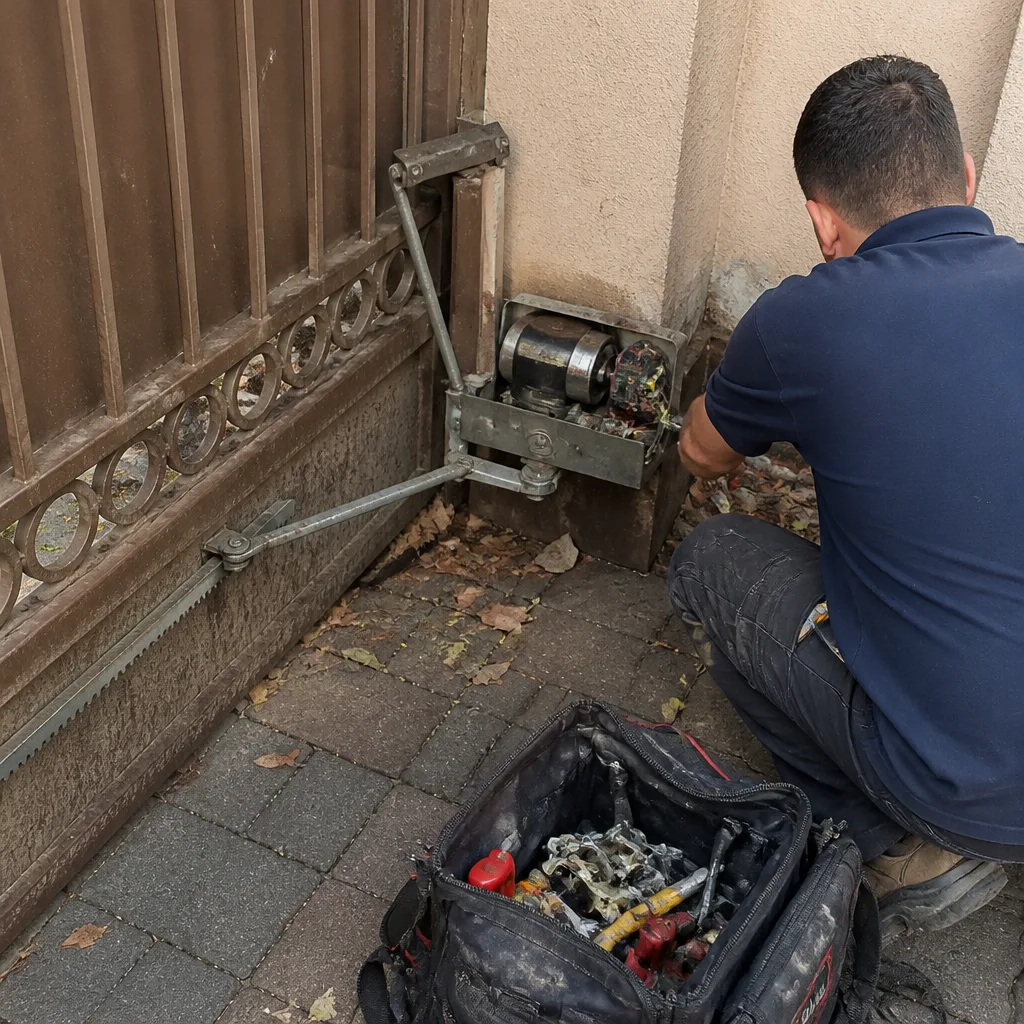 Before
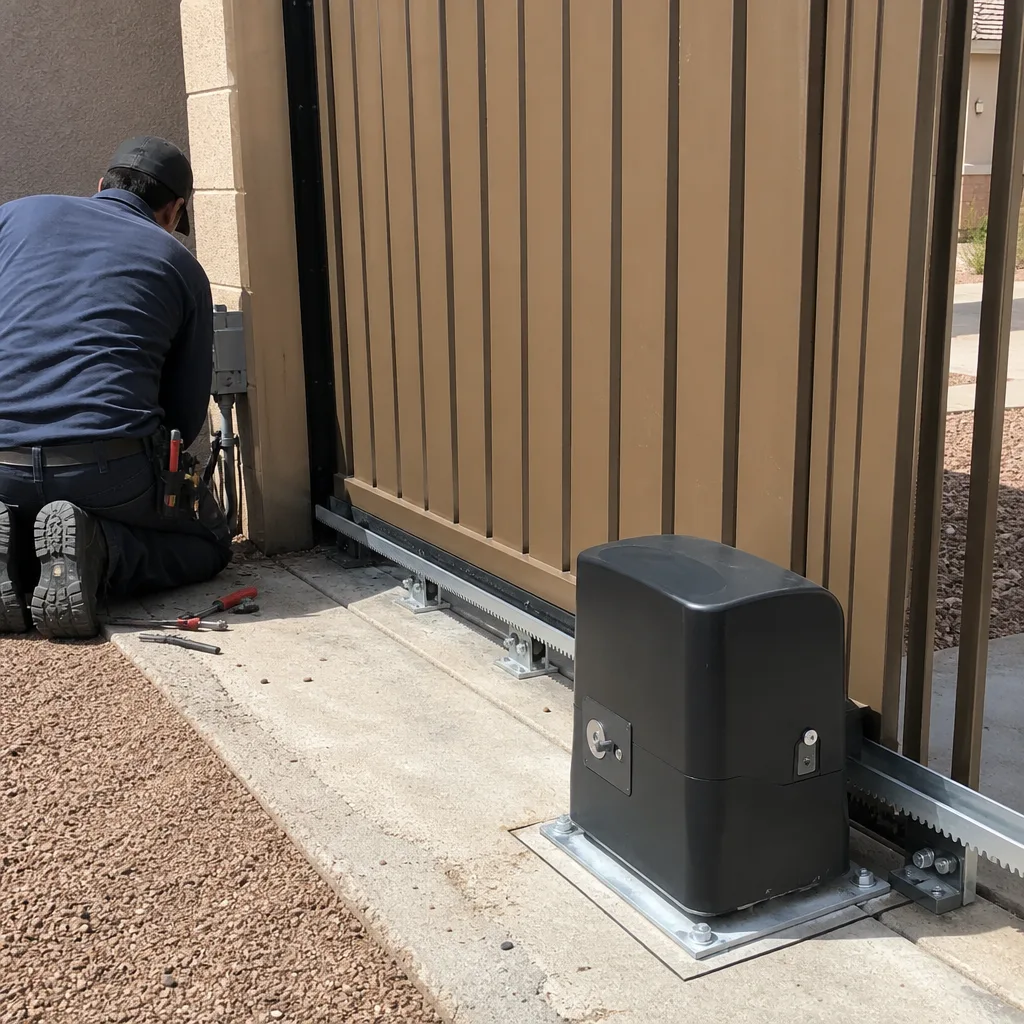 After
After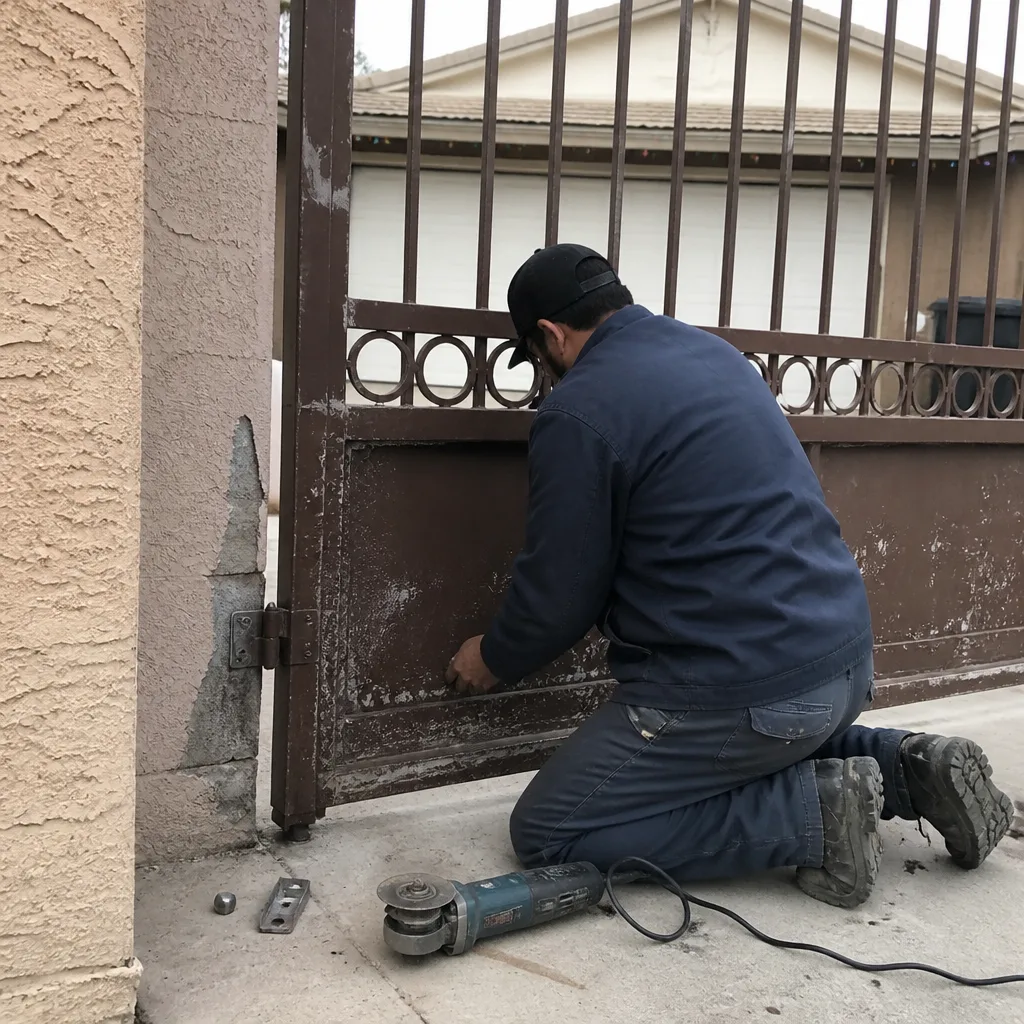 Before
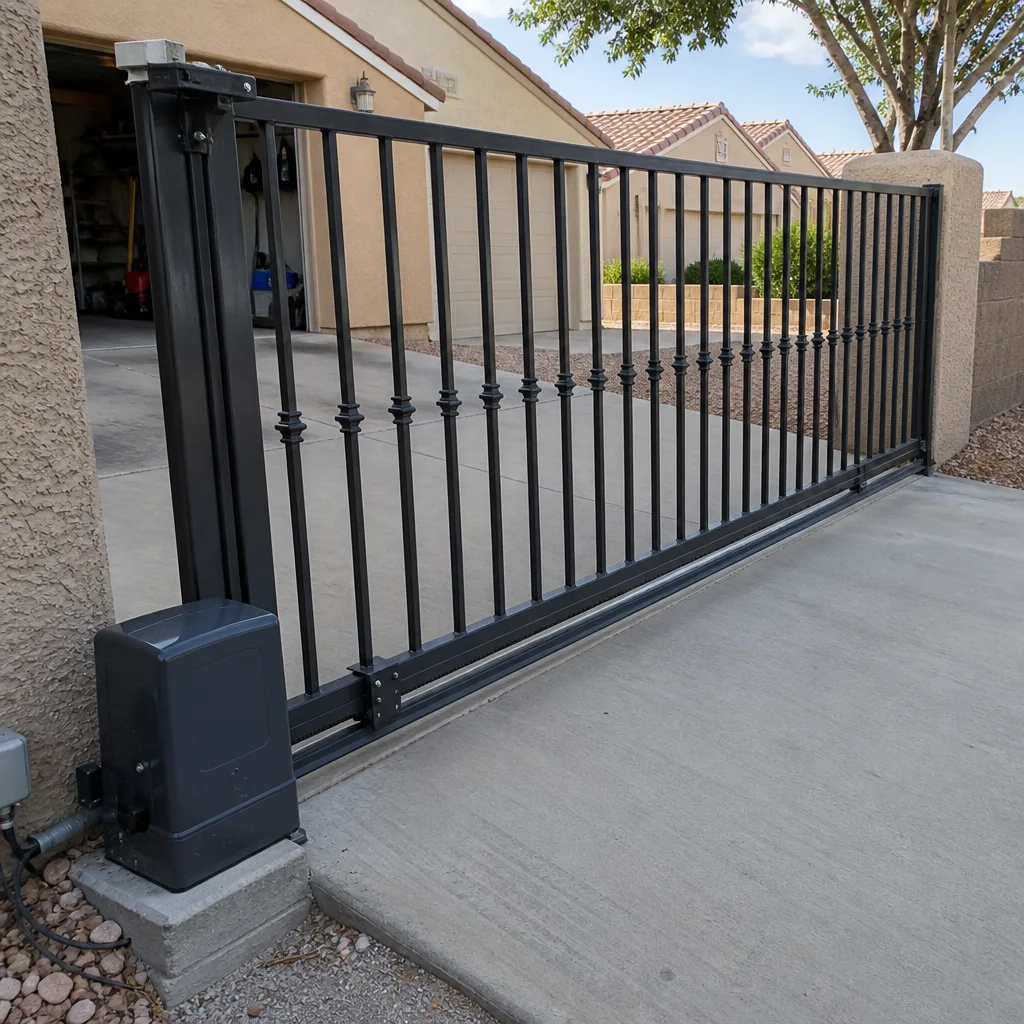 After
After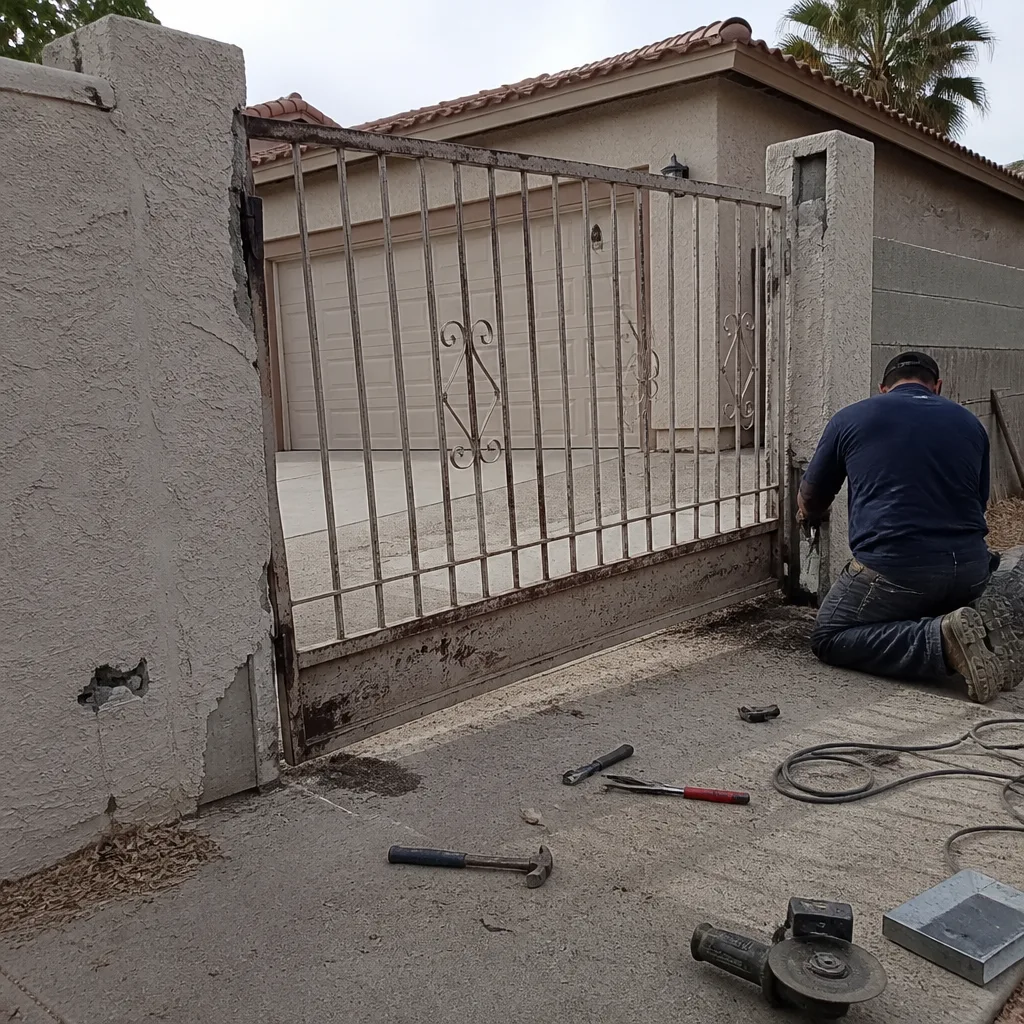 Before
 After
After